Search the FOLO-UP Briefing archive
From vapes to EVs: why “battery fire” is not a single risk!
Read the full briefing →
Vapes, RC models, e-bikes, e-scooters and electric cars can all use rechargeable lithium cells. The chemistry may be related, but battery size, protection systems, charging behaviour and escape conditions change both the risk and the safe response.
- Insurer-led FOI responses counted 1,760 UK battery-linked fires during 2025
- OPSS received 211 voluntary e-bike and e-scooter fire notifications for 2024
- 77 of 170 e-bike notifications involved a confirmed post-market conversion
- 82 incidents occurred while charging, 80 while not charging and 49 were unknown
- The OPSS notifications disclosed 8 deaths and 86 non-fatal casualties
- If a lithium battery fire starts, leave immediately and call 999
Recalled in Europe, still in Britain: where cross-border warnings break down
Read the full briefing →
An e-moped recalled in Europe reached a UK recall only after a London fire investigation. Current official guidance shows how post-Brexit warning exchange now depends on several narrower reporting routes.
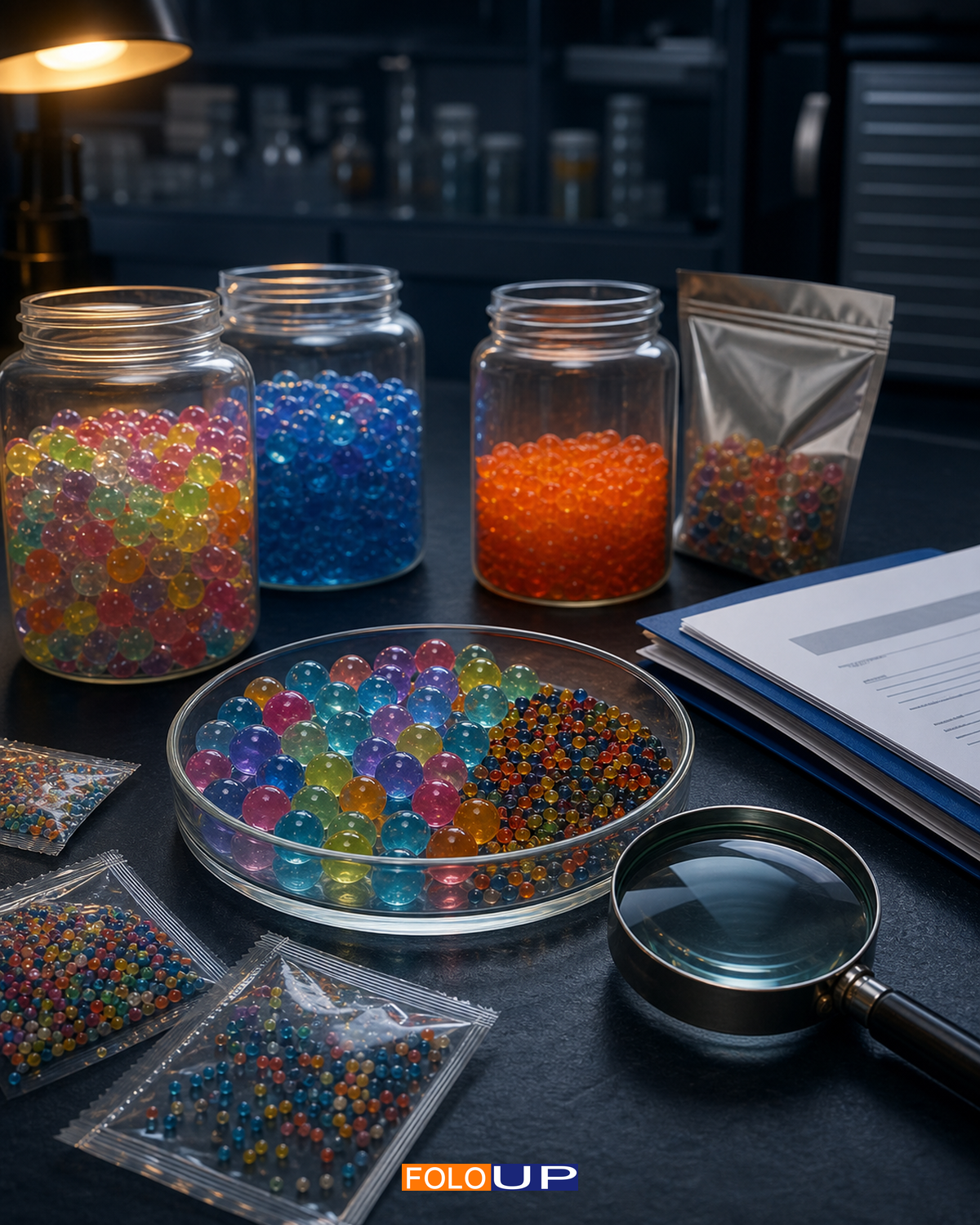
Water beads can change category, but not their hazard
Read the full briefing →
The same superabsorbent bead can be sold as a toy, vase filler, craft material or gel-blaster ammunition. The seller’s category changes the applicable rules and corrective action; the swallowing and expansion hazard remains.
When software support ends, product safety changes
Read the full briefing →
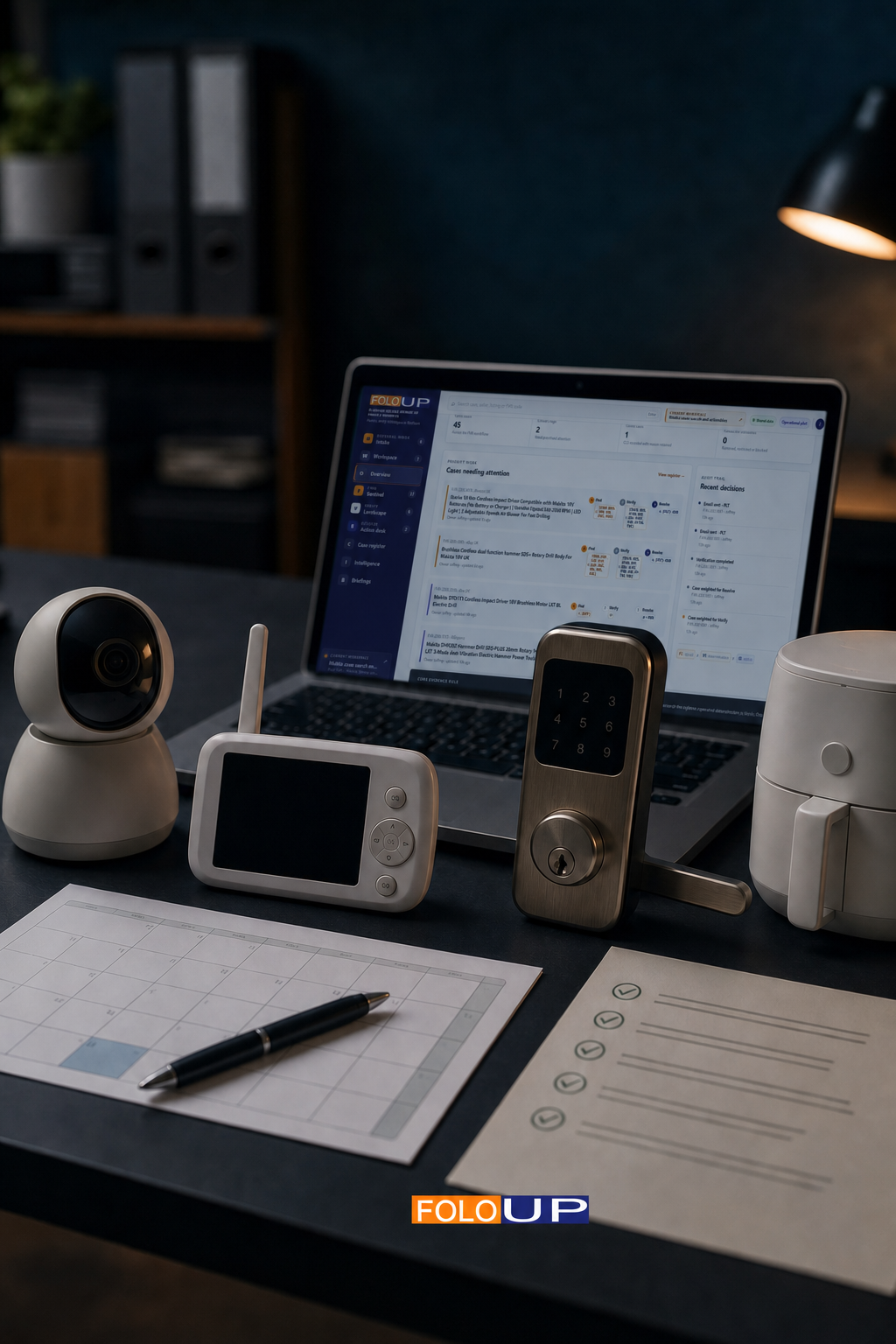
Smart products depend on updates, apps and cloud services long after purchase. With six in ten UK adults using smart or IoT products, the published support period has become part of a product’s practical safety life.
AI toys, QR codes and digital product passports: what the new rules could change
Read the full briefing →
A toy can now change through software, connect to a service or collect information after it has passed a physical safety test. UK and EU policy work is beginning to address that moving target.
From notice-and-takedown to prevention: what UK marketplace reforms could require
Read the full briefing →
The Government’s 2026 consultations propose moving beyond one-by-one notices towards duties that make marketplaces prevent, identify and remove unsafe products. The proposals remain proposals until legislation is made.
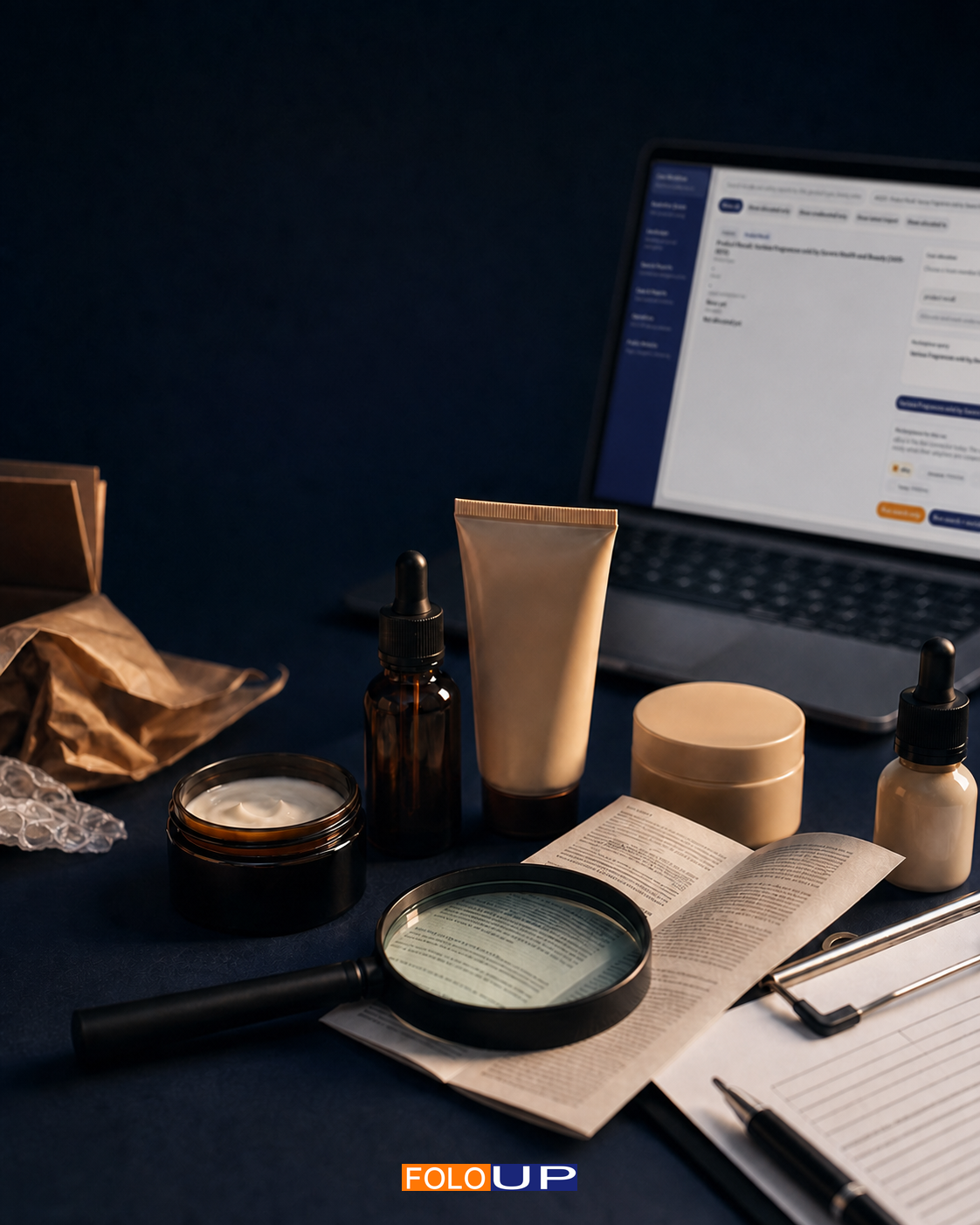
The hidden chemical risk in low-cost cosmetics bought online
Read the full briefing →
A cosmetic can look convincing while its ingredients, documentation and responsible supply chain remain invisible. Recent EU and UK evidence puts chemical risk, traceability and online listings at the centre of product-safety enforcement.