
Counterfeit shirts: the hidden risks behind a £12 bargain
Counterfeit football merchandise worth more than £18 million was seized across the UK during the 2026 World Cup. The low price can be tempting, but unregulated materials, unsafe dyes and criminal supply chains can turn a bargain into a much bigger risk.
Published 21 July 2026 · FOLO-UP consumer safety briefing
What happened?
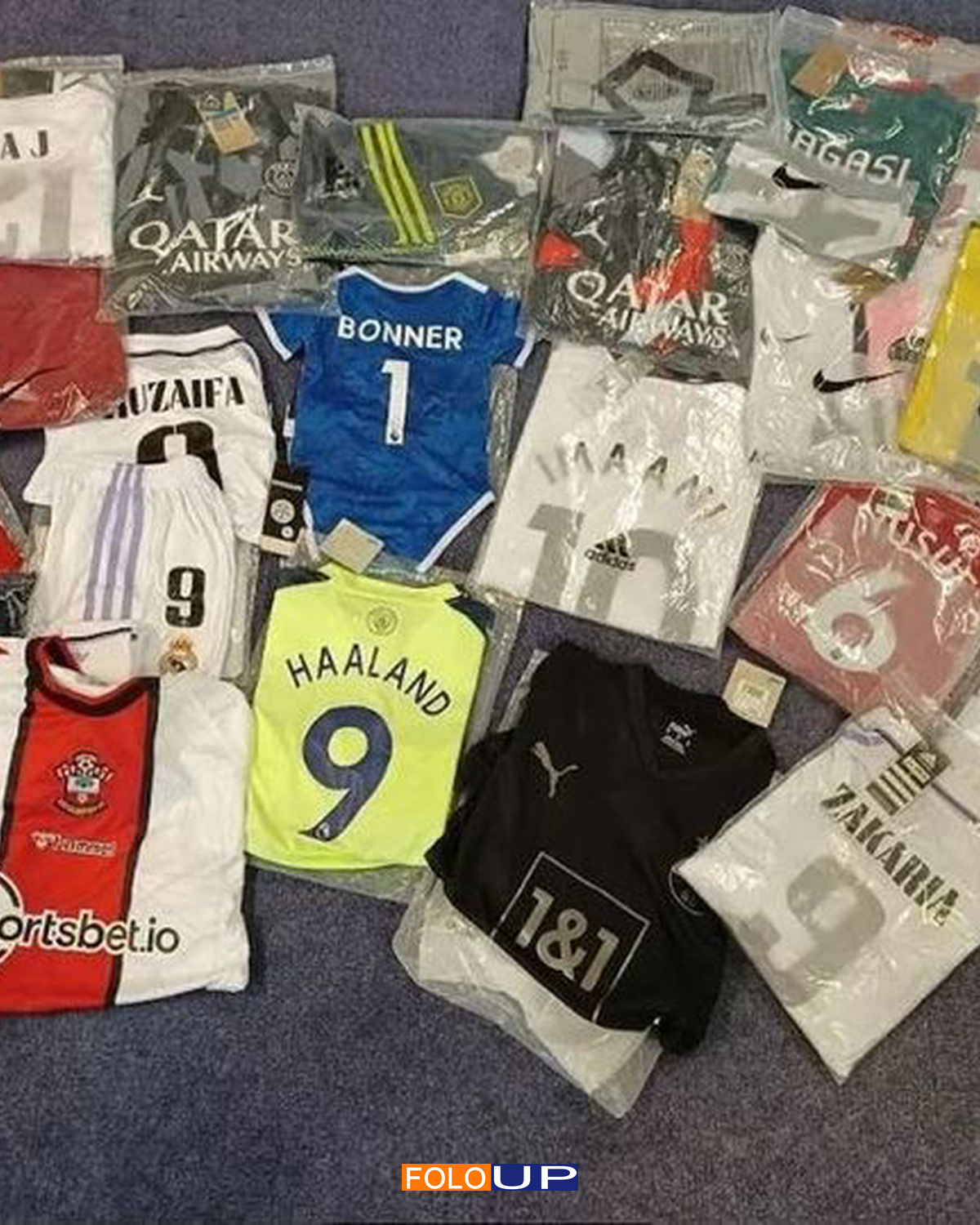
BBC Sport reported that more than 220,000 items of football merchandise were recovered through Operation Bloxwich, the UK enforcement effort targeting counterfeit goods during the World Cup. One Birmingham warehouse raid alone recovered 1,618 fake strips. A separate Edinburgh operation seized 58,000 counterfeit jerseys and kits weighing more than nine tonnes.
These values describe what the goods would have been worth if genuine; they are not the amount paid to counterfeit sellers. The scale still shows how criminal suppliers target the surge in fan demand around major tournaments.
Why the fire test matters
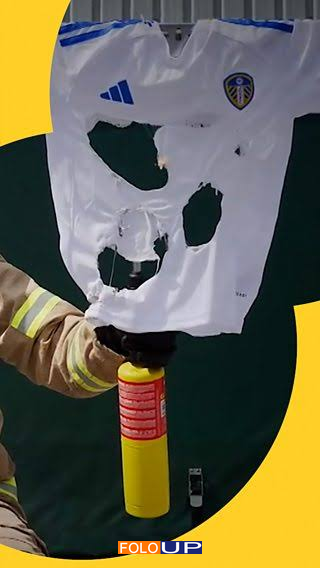
Cheshire Fire and Rescue Service compared genuine and counterfeit shirts for BBC Sport. Watch manager Dave Jackson reported that the counterfeit shirt began melting as soon as the burner reached it, while the genuine shirt was much harder to ignite and melt. Melted synthetic fabric can stick to skin and make a burn injury substantially worse.
The test does not mean an official polyester shirt cannot burn. It shows why manufacturing controls and verified materials matter: an unregulated copy gives the wearer no dependable safety assurance.
Why the £12 price is so tempting
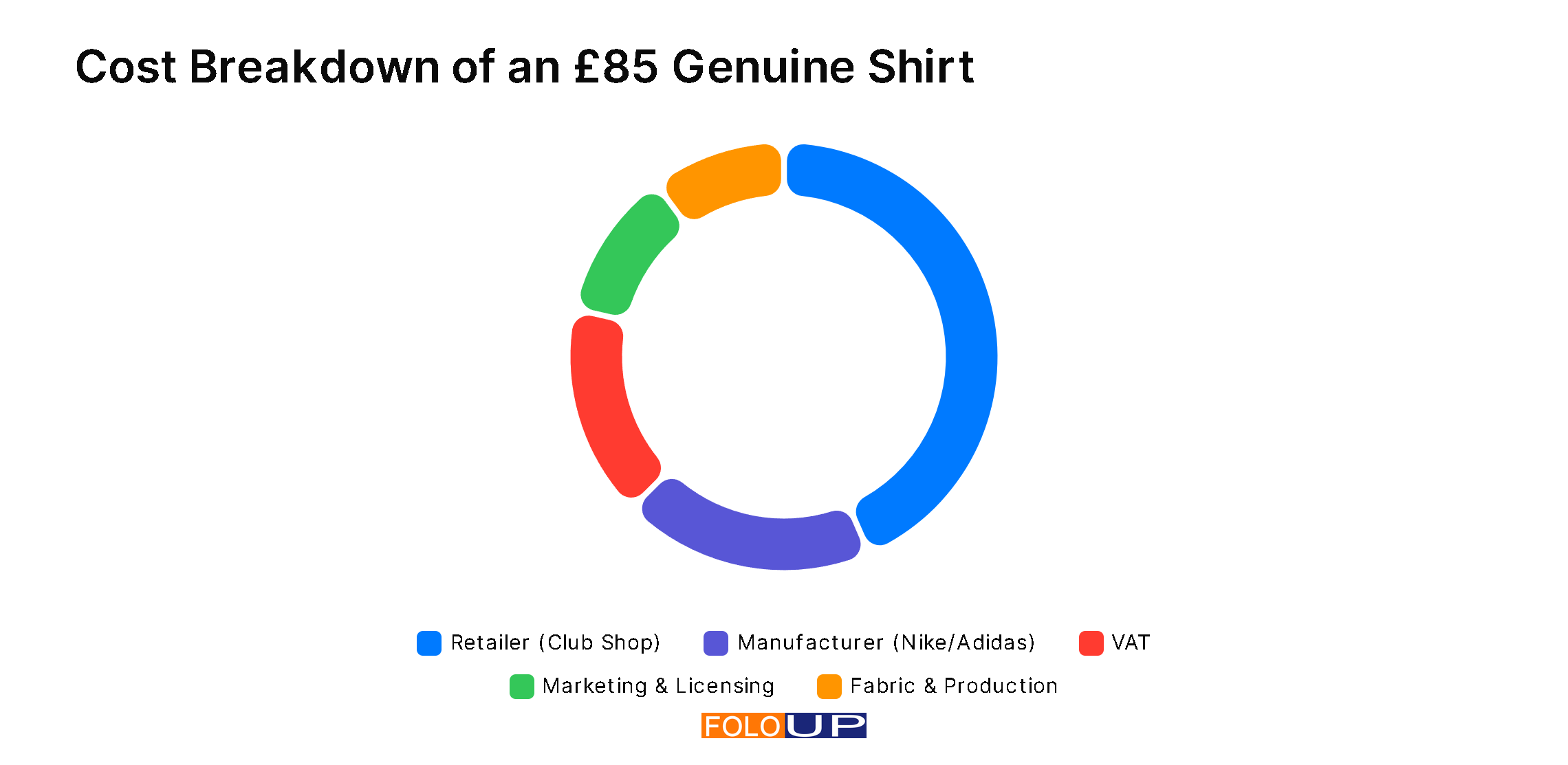
FOLO-UP recognises the pressure on parents and supporters. Some official Premier League shirts start at about £85, around seven times the £12 counterfeit price found online. Research cited by BBC Sport shows that fabric, sewing and shipping account for only a small part of the retail price; the retailer receives the largest single share.
| Cost element | Approximate amount |
|---|---|
| Retailer, usually the club shop | £37.45 |
| Manufacturer | £16.25 |
| VAT | £13.60 |
| Marketing, licensing and distribution | £9.50 |
| Fabric, sewing and shipping | £8.50 |
Affordability is a real source of friction. It explains demand, but it cannot provide the product testing, traceability or worker protections missing from an illegal supply chain.
The supply chain behind the shirt
The Intellectual Property Office and police describe counterfeiting as organised criminal activity, not a harmless unofficial sideline. Investigators have linked counterfeit trading across product categories to money laundering, forced labour, drug operations, human trafficking and modern slavery.
Goods and sellers may be based outside the UK, making provenance, accountability and redress difficult. Major marketplaces can remove listings, but a listing, review score or professional-looking photograph is not proof that a shirt is genuine.
The BBC Sport investigation said many of the fakes originate in China and highlighted a Turkish seller, with no UK business links, that Amazon had flagged while counterfeit shirts were being offered into the domestic market. It is a reminder that the web page a buyer sees can be far removed from the factory, importer or criminal network behind the product.
Lower-cost options without the counterfeit risk
- Look for an official previous-season shirt after club and retailer reductions.
- Buy pre-owned from a seller that provides clear label, product-code and stitching photographs.
- Choose unbranded supporter colours where an official shirt is unaffordable.
- Check the club or manufacturer website for authorised stockists before buying.