
Why the EU fined AliExpress €550 million
The European Commission says AliExpress failed to assess and reduce systemic risks connected with illegal, unsafe and counterfeit products—not merely that individual listings were removed too slowly.
Published 23 July 2026 · FOLO-UP consumer safety briefing
What happened?
On 20 July 2026, the European Commission fined AliExpress €550 million for breaching the Digital Services Act (DSA). The final decision found that the marketplace had not diligently assessed and mitigated the risks created by illegal, unsafe and counterfeit products offered through its service.
It is the largest DSA fine announced so far and the third financial penalty imposed by the Commission under the legislation. The conduct covered by the decision continued until at least June 2025, when preliminary findings were issued.
What the Commission found
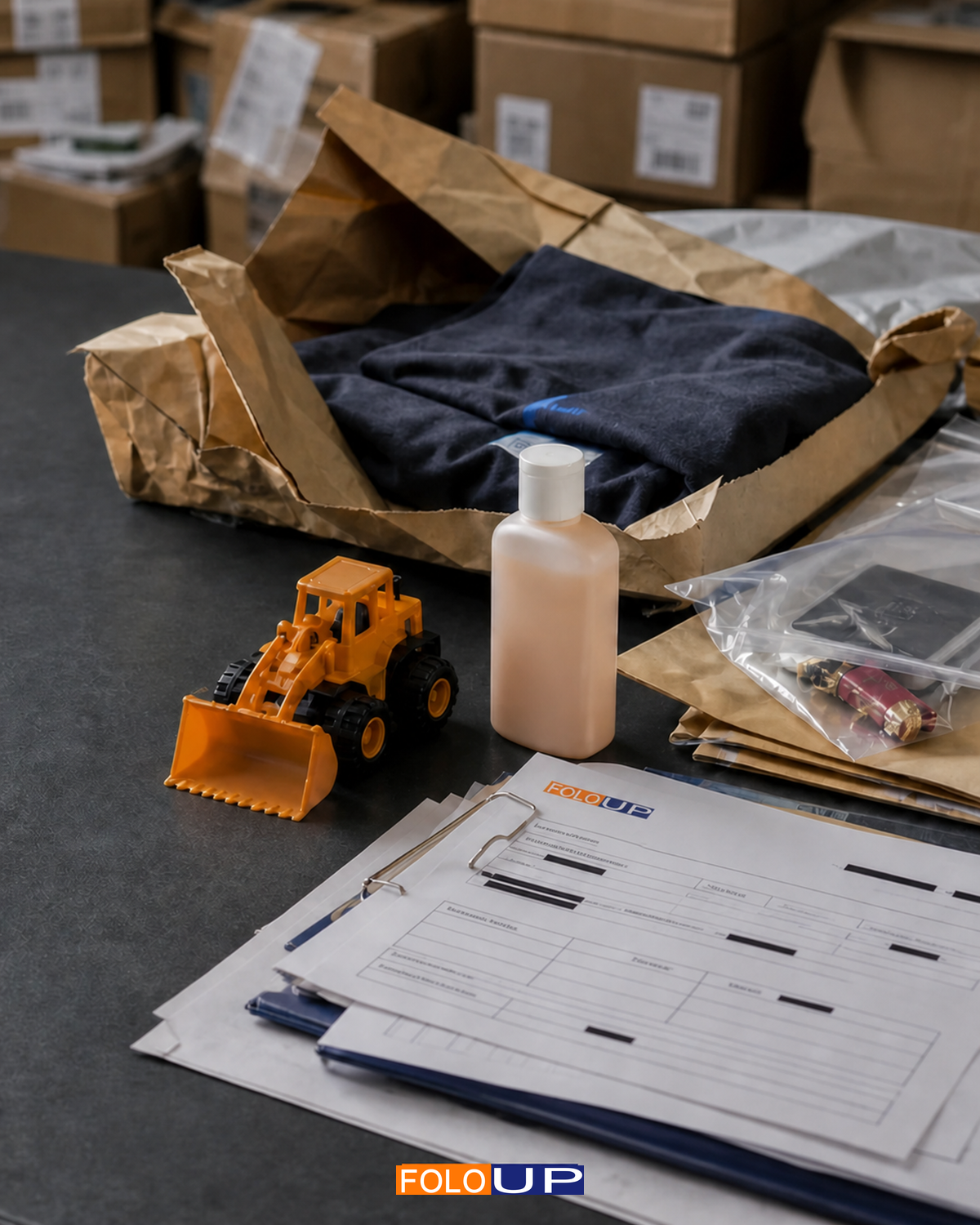
The Commission identified weaknesses across several connected controls. Public examples included counterfeit clothing, unsafe toys and dangerous cosmetics.
Detection and removal
Illegal products could remain available for weeks, while the platform's measurements overstated how effective its moderation was.
Seller enforcement
Stores offering illegal products could remain active after penalties, weakening the deterrent effect of seller sanctions.
Checks that could be bypassed
Traders could place products in incorrect categories and face less stringent checks than the product should have received.
Staffing and review capacity
AliExpress had not adequately assessed whether enough people were assigned to review potentially illegal goods and categorisation.
Advertising and recommendations
The platform had not adequately examined how its advertising and recommender systems could increase illegal products' visibility.
Repeat appearances
Its measurement did not sufficiently test whether removed products were returning through new or slightly changed listings.
Why the word “systemic” matters
AliExpress is classed as a Very Large Online Platform under the DSA. The Commission currently lists approximately 104.3 million average monthly active users for the service in the EU. At that scale, a weakness in categorisation, staffing or recommendations can affect far more consumers than an isolated product-safety failure.
The DSA therefore requires major platforms to identify foreseeable risks and build effective controls around them. Removing a listing after it is reported remains important, but it is not enough if similar goods, the same sellers or the same underlying risks repeatedly return.
How the case developed
-
AliExpress was designated a Very Large Online Platform, bringing it under the DSA's strictest platform-governance duties.
-
The Commission sent its first formal request for information in the enforcement sequence.
-
Formal proceedings opened, covering risk management, content moderation, complaints, advertising, recommendations, trader traceability and research access.
-
The Commission issued preliminary findings on illegal-product risks and separately made a package of AliExpress commitments legally binding.
-
The Commission adopted its final non-compliance decision and imposed the €550 million fine.
AliExpress's response and what happens next
AliExpress disputes the size of the penalty. It said the fine was disproportionate and did not adequately recognise its established framework or the changes it had made to product safety and consumer-protection systems. The company said it was reviewing the decision and considering its available options; at publication, it had not publicly confirmed a formal appeal.
The marketplace must submit a corrective action plan by 20 October 2026 setting out how it will remedy the failures. Non-compliance with the decision can lead to periodic penalty payments while the Commission continues its supervision.
What shoppers should take from the decision
The enforcement action is aimed at platform systems, but consumers still need practical ways to reduce risk when buying from any online marketplace.
- Check the seller's real business identity, location and contact details—not only star ratings.
- Search the exact product name, model and barcode in FOLO-UP or the official Safety Gate and UK product-safety databases.
- Be cautious where safety markings, manufacturer details, warnings or instructions are missing or inconsistent.
- Keep screenshots of the listing, seller name, order record and packaging if a product appears unsafe or counterfeit.
- Report the product to the marketplace and the appropriate safety authority; do not rely on a listing disappearing as proof that the wider risk has been addressed.
Around 4.6 billion low-value consignments entered the EU during 2024—about 12 million parcels a day and twice the previous year's volume. The Commission said many did not comply with EU requirements. That scale is why prevention, seller traceability and repeat-listing controls now sit at the centre of marketplace accountability.
What other press says
Independent news organisations have approached the decision from different angles, including the record size of the fine, the product-safety failures and AliExpress's response.
EU hits AliExpress with a record 550 million-euro fine over unsafe and counterfeit goods
AP focuses on the record penalty, the unsafe-product examples and AliExpress's argument that the fine is disproportionate.
The GuardianAliExpress fined record €550m by EU for failing to stop sale of illegal and fake goods
The Guardian highlights staffing concerns, products remaining online for weeks and controls that sellers could bypass.
Le MondeEuropean Commission imposes record €550 million fine on AliExpress
Le Monde places the decision in the wider sequence of DSA penalties and examines the platform's product-checking weaknesses.
These links open external news websites. Their access terms and editorial responsibility apply.